Renovation of Glattbrugg WWTP in Kloten
September 12, 2023
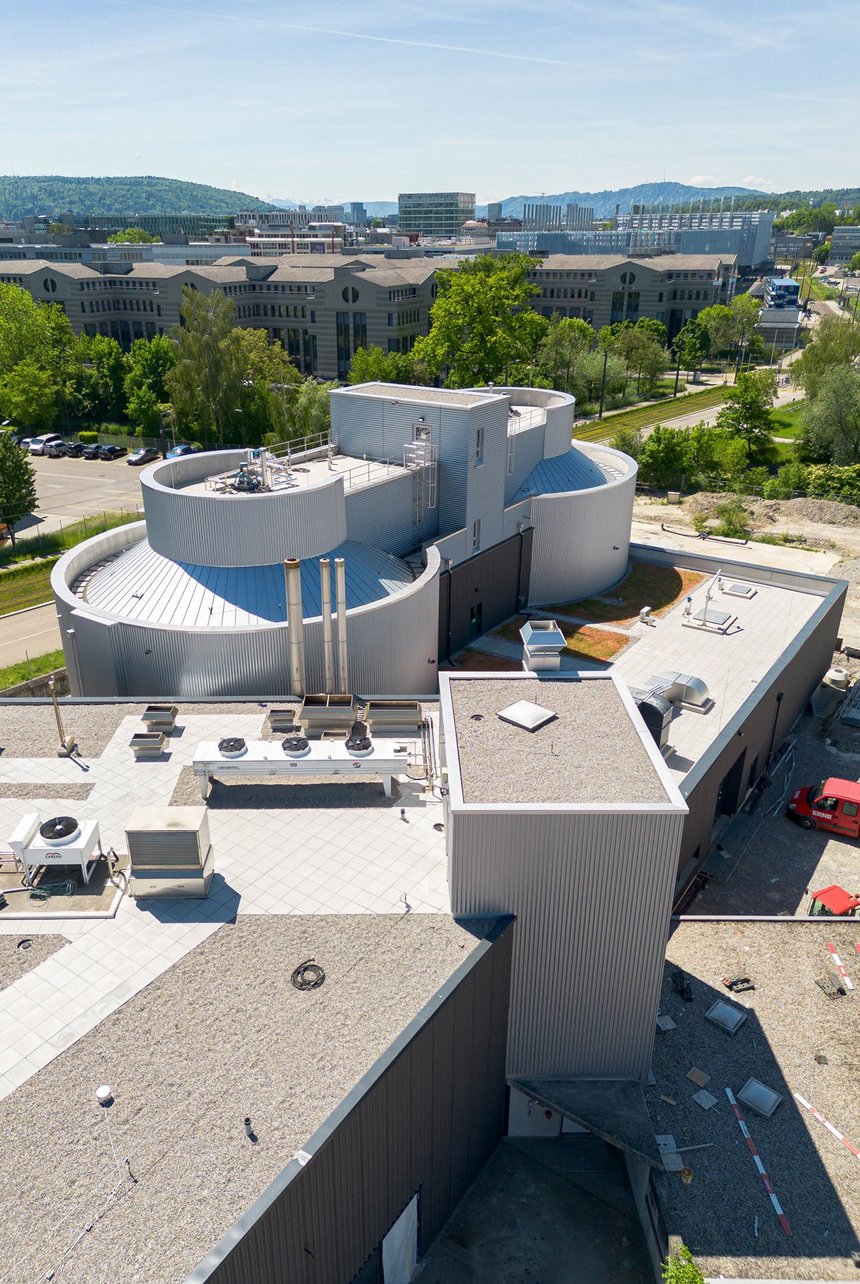
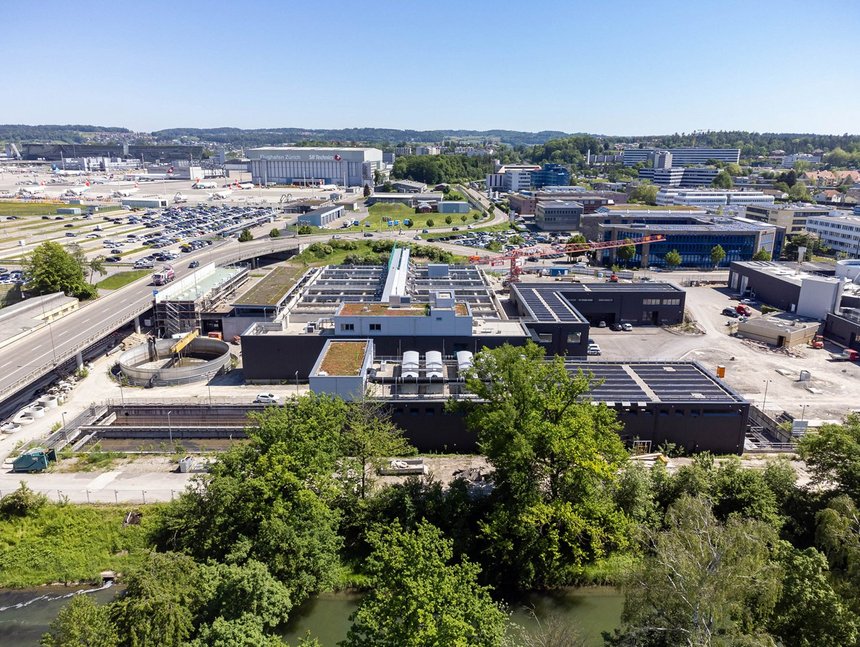
The expansion and renovation of the wastewater treatment plant in Kloten was a challenging project in the field of hydraulic engineering. The existing infrastructure, which was between 25 and 55 years old, could no longer meet the increased requirements. In particular, the growing area, which now had a population of around 86,000, presented the plant with major challenges. In addition, stricter environmental and water protection laws increased the pressure to modernize the plant in order to eliminate even the smallest residues, such as drug residues.

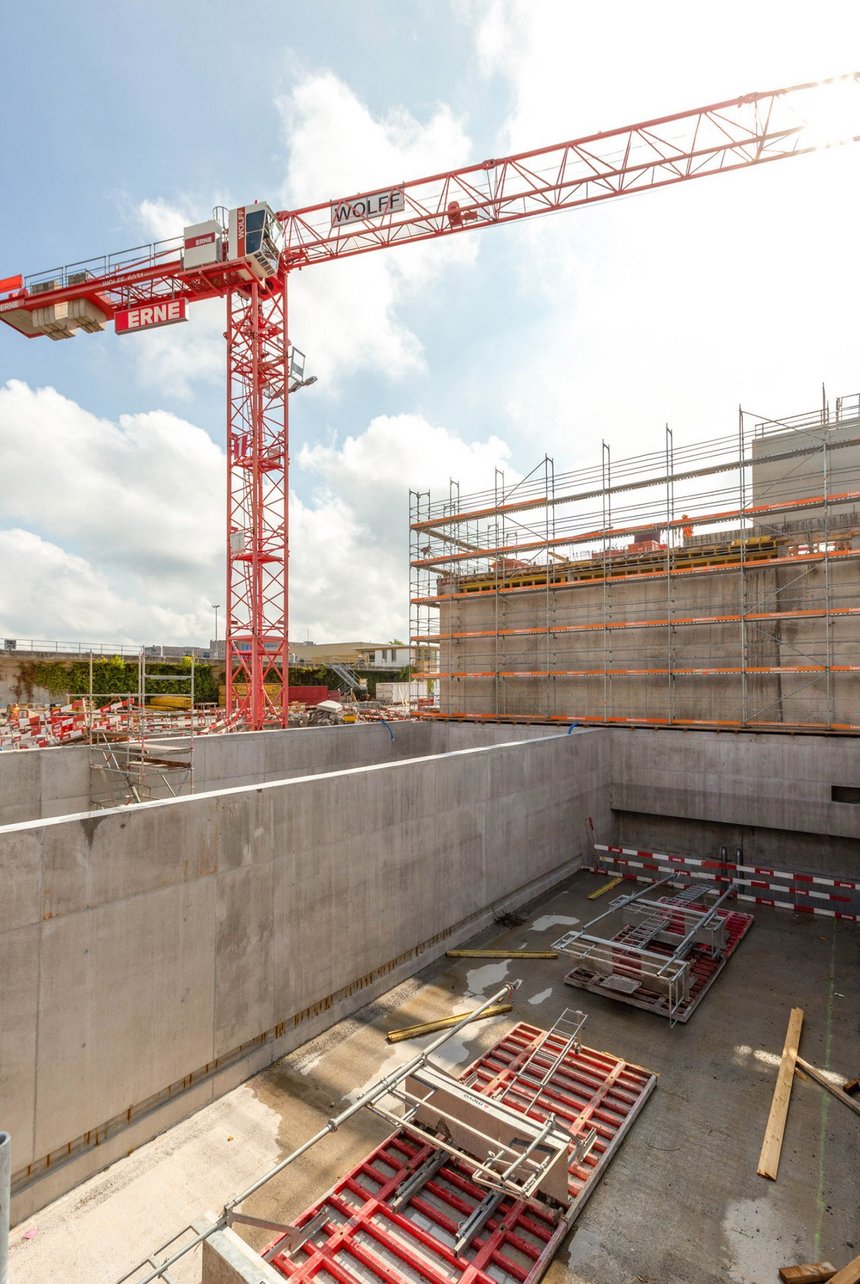
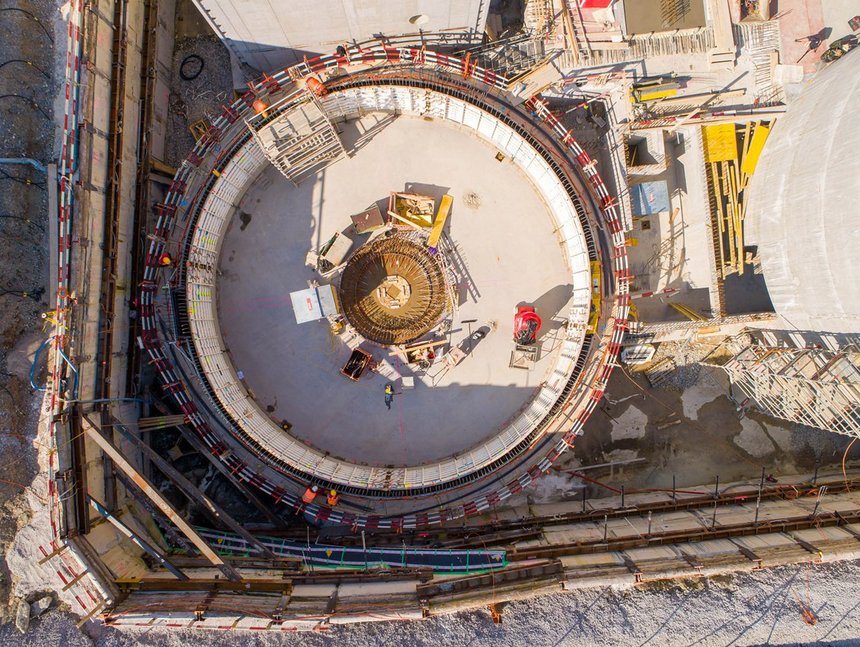
Additional excavation pits to comply with the height restriction
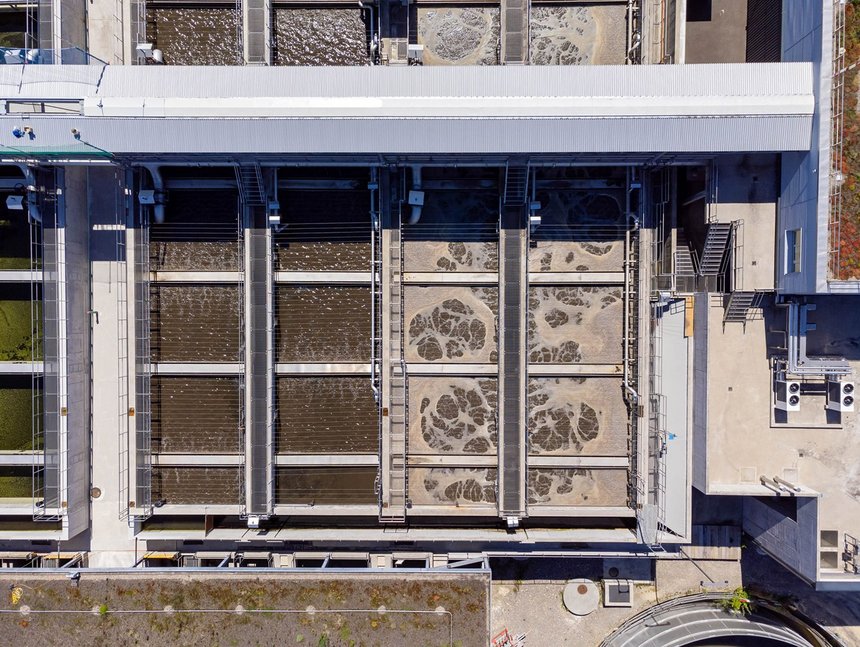
One of the key innovations was the introduction of the Nereda process, a particularly efficient biological treatment process from the Netherlands. This technology enables even more thorough water treatment and meets the latest wastewater management standards.
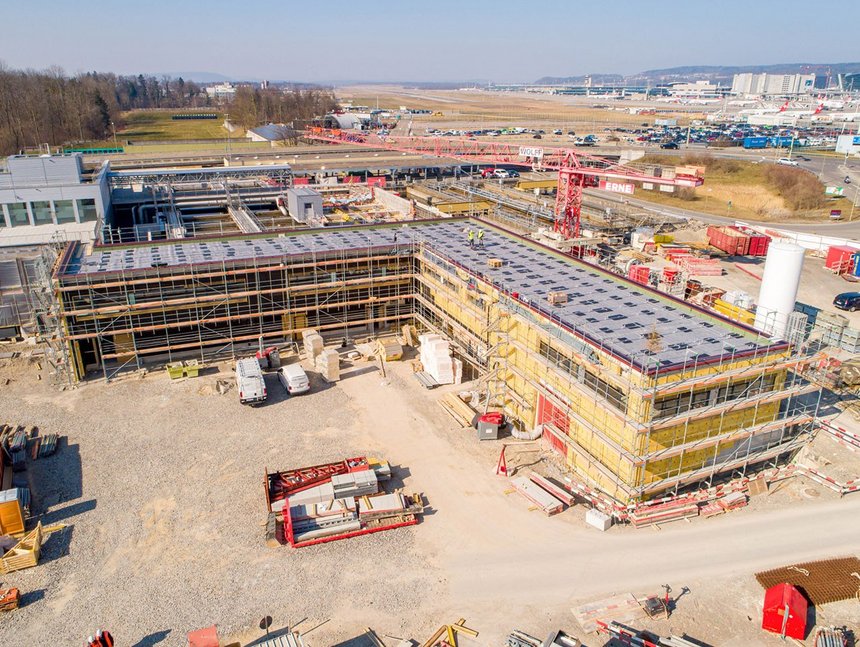
Important preparatory work was carried out in the first two construction phases. For example, the plant pipes and inlets and outlets were relocated and the pre-treatment stage, including the lift station, grit chamber, screen building and two primary settling tanks, was renewed. At the same time, space was created for the future biology building with stormwater tank, construction of which is due to begin in 2019. The shell of the pre-treatment building will be completed by the end of October so that this part of the plant can soon be put into operation to continue the conversion in the following stages.
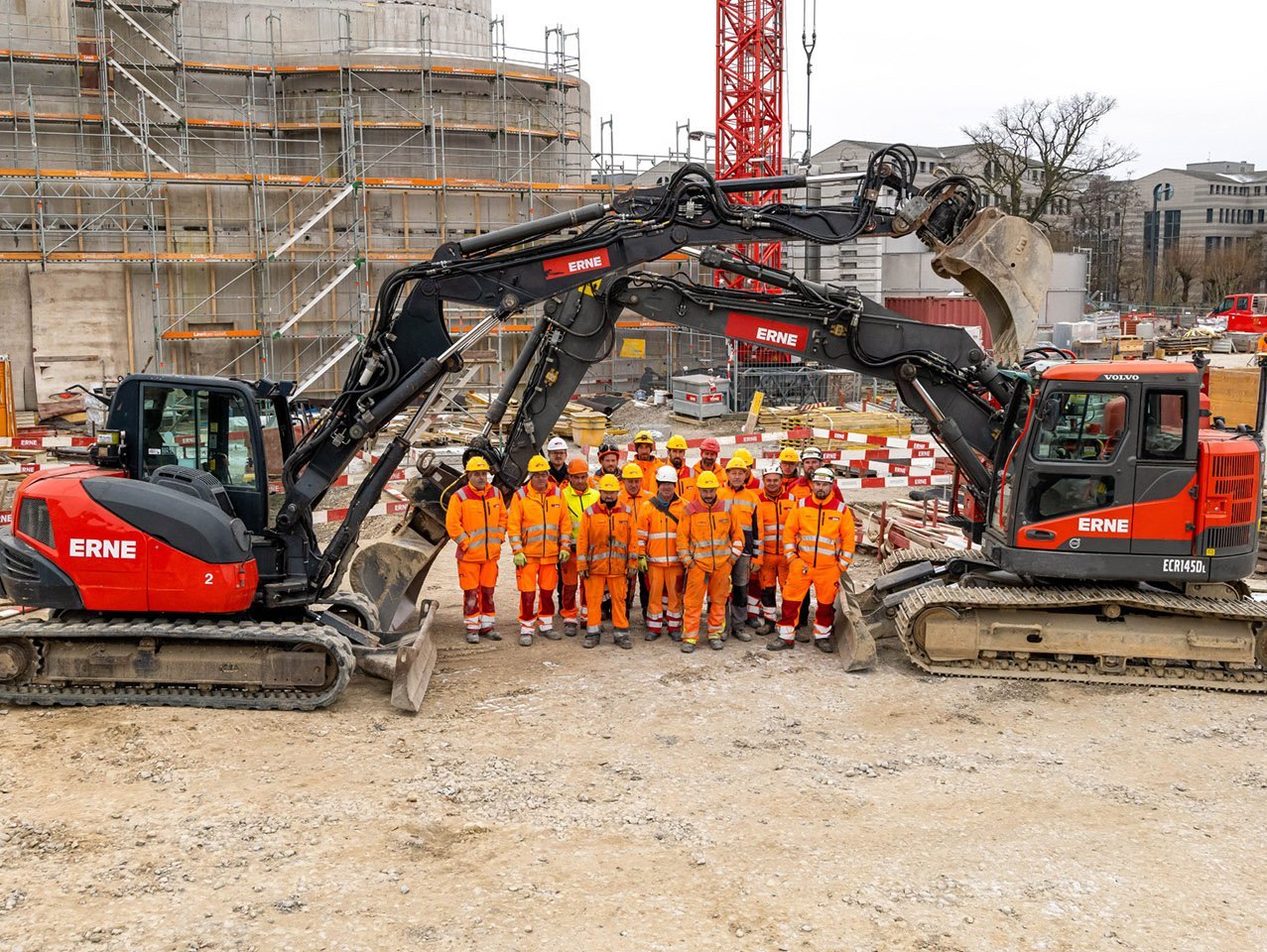
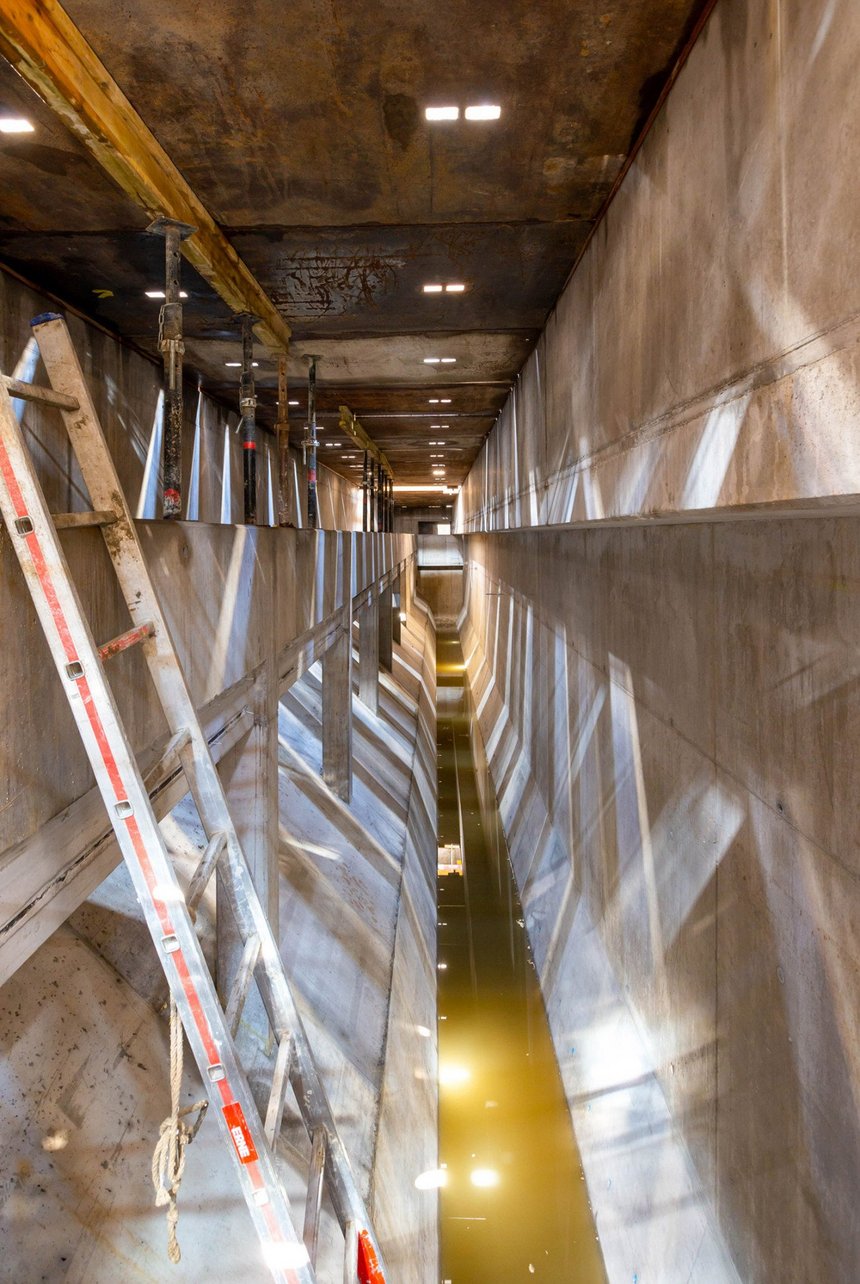
The construction site poses an enormous challenge due to the cramped conditions and the need to maintain the ongoing operation of the wastewater treatment plant. On one side, the construction site borders the Glatt river, while on the other side there is the road viaduct and the SBB tunnel. In addition, height restrictions in the airport's catchment area must be observed, making it necessary to use cranes with a limited reach. Additional excavation pits had to be dug in order to comply with the 15-meter height limit. The transportation and lifting of large formwork also proved difficult, meaning that night shifts were sometimes necessary to ensure construction progress.

Dirt-resistant NPK G concrete
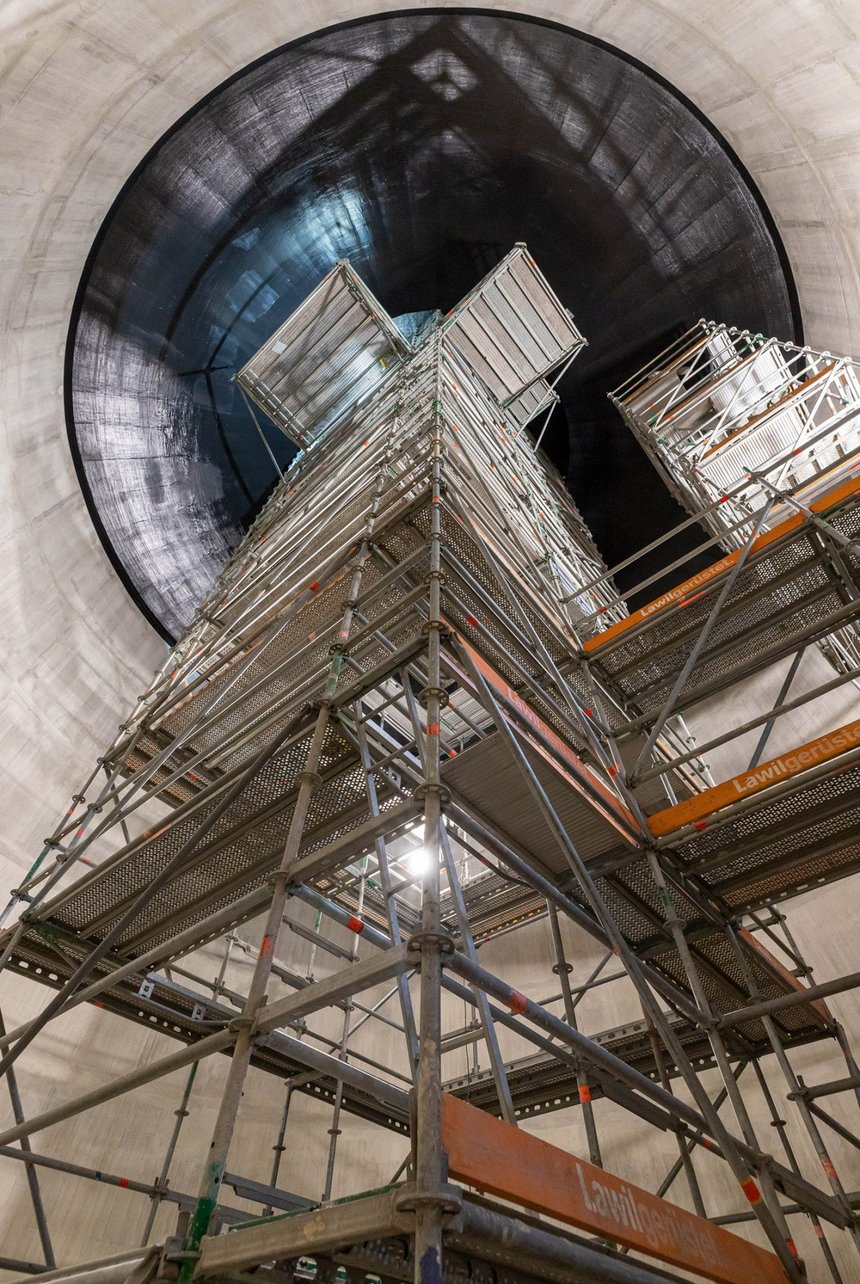
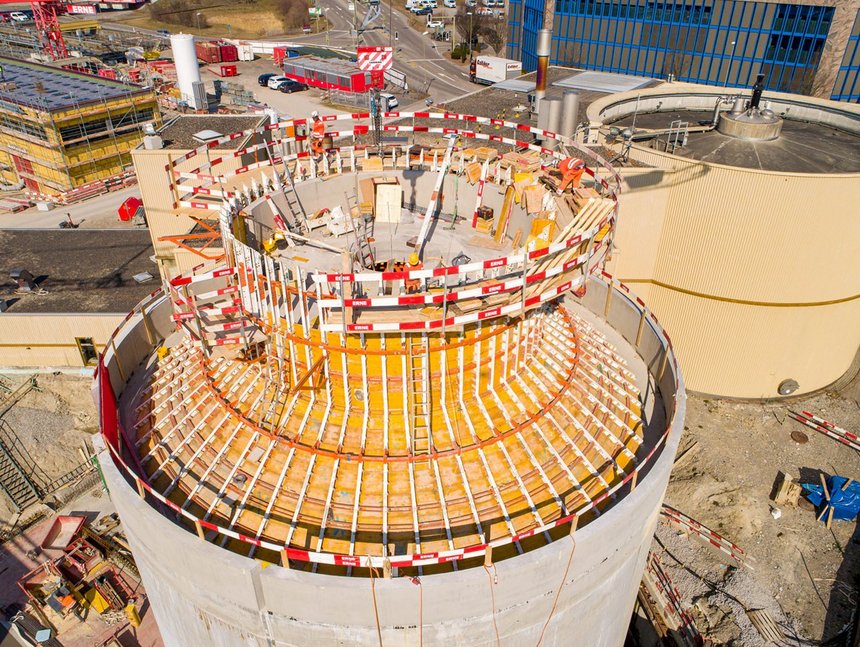
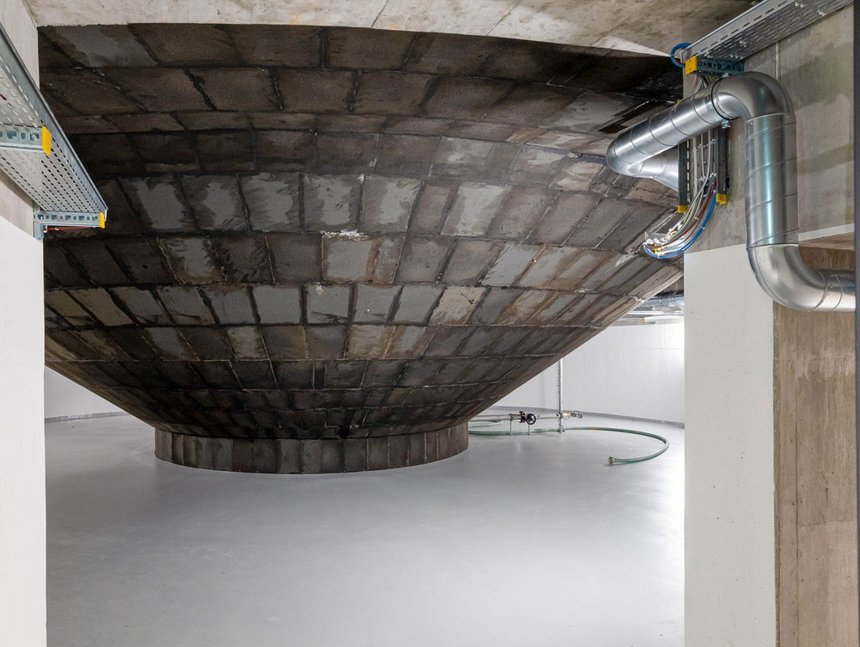
High-quality NPK G concrete is used for the complicated truncated cone and funnel formwork. This is more resistant to contaminated water and meets the latest standards. In construction phases three to five, the structural engineering teams are building a rainwater basin and the biology building. In addition, two round digestion towers will be built and the existing old operations building will be demolished and replaced by a new building. It is particularly important to have a lot of experience with such special projects.
The first two stages will be completed by mid-November. For ERNE, this means a construction break of around nine months. The master builder's work can only be resumed once the new structures have been extended and commissioned.
Facts about the construction site
Project | Extension of the Kloten-Opfikon WWTP |
Services | Dismantling of basins, buildings and service lines. Excavation work, excavation pit closures, new construction of various WWTP buildings, basins, digestion towers, etc. in reinforced concrete. Conversion of various existing WWTP buildings. Tight structures in groundwater, environmental work |
Construction period | September 2017 to approx. September 2023 |
Project participants ERNE | Site managers: Nicolas Scherer, Christoph Diggelmann, foremen: Beat Senn, Pascal Bucher, Sascha Altenberger, Beat Gentsch, Dieter Kern, Roman Frei |